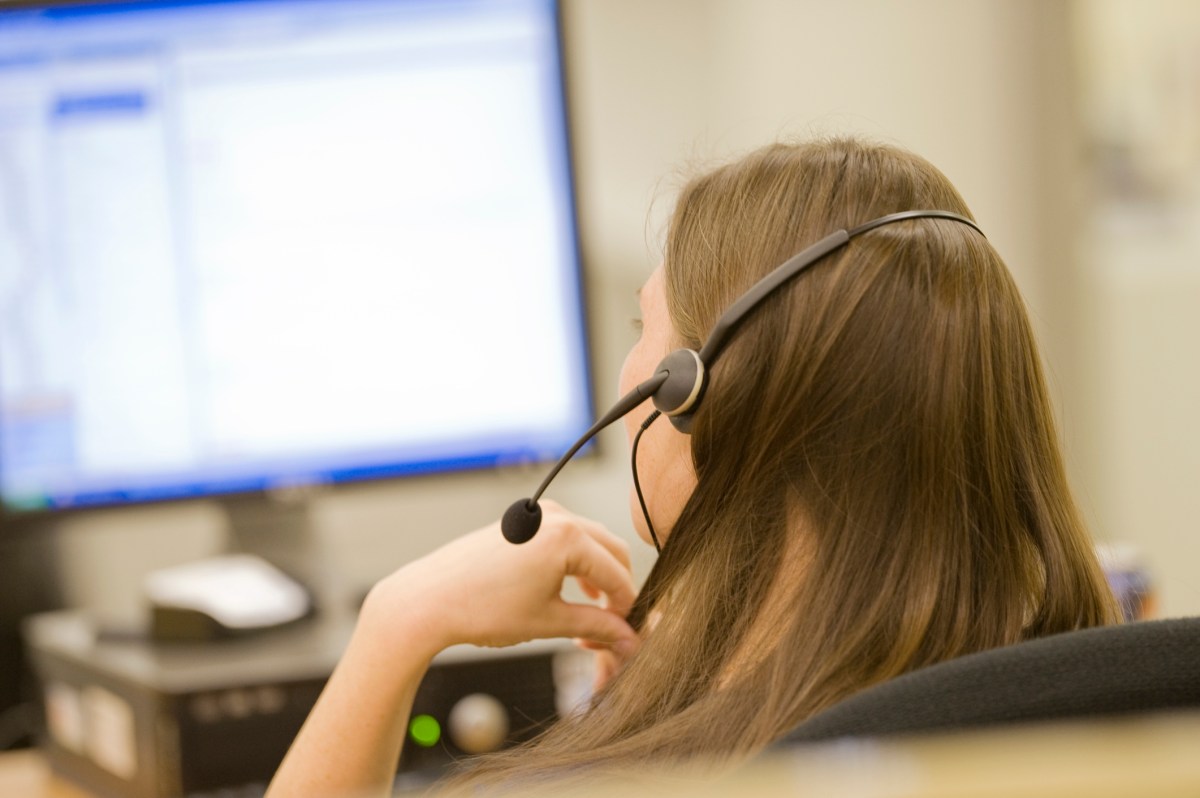
Imagine walking into your office someday soon and instead of the familiar click-clack of keyboards, you hear a low hum of hushed voices. It turns out the future workplace might sound a lot like a high-end call center, or even a sales floor, but with everyone talking to their computers. This unexpected shift comes from the rapid rise of AI-powered dictation apps, which are changing how we interact with our tech and, by extension, each other.
People are starting to use these voice tools, like one called Wispr, for pretty much everything. Instead of typing out emails, documents, or messages, they are simply speaking to their computers. This is becoming so common that some venture capitalists visiting startup offices are already noticing the change, describing the atmosphere as surprisingly similar to a call center.
One prominent tech leader, Edward Kim, who co-founded the company Gusto, shared that he now barely types at all. He mostly dictates his thoughts and work to his computer. While he loves the efficiency, he admits that constantly talking out loud in an open office can feel a little strange. Another AI entrepreneur, Mollie Amkraut Mueller, found her husband getting annoyed by her new habit of whispering to her computer during late-night work sessions, forcing them to work in separate rooms.
The convenience of these voice tools is hard to ignore. They promise to speed up our workflow significantly, freeing our hands from the keyboard and allowing us to express ideas more naturally. This technological leap means that what was once a niche tool for accessibility is now becoming a mainstream way to get things done, transforming the basic act of computer interaction.
This new trend didn't just appear overnight. For years, voice recognition software was clumsy and often frustrating, leading to more corrections than time saved. Think about early virtual assistants that struggled to understand simple commands. However, recent breakthroughs in artificial intelligence have completely changed the game.
Today's AI dictation apps are incredibly accurate and fast, understanding natural language and even different accents with impressive precision. This reliability means that using your voice to write is no longer a chore; it is often quicker and more seamless than typing. The Wall Street Journal recently highlighted how this improved technology is pushing voice dictation from a novelty to a necessity in many professional settings, especially when linked with other smart tools.
So, why should you care about this quiet revolution? For starters, it could drastically change your own workday. If you spend hours typing, imagine how much quicker you might be if you could just speak your thoughts. This shift could make tasks feel less manual and more conversational, potentially boosting productivity for individuals.
Beyond your personal workflow, this trend could redefine the very fabric of our workplaces. Open-plan offices, a common design choice, might face new challenges when filled with dozens of people whispering to their screens. It might lead to new considerations for office acoustics, privacy, and even a need for more individual soundproof pods or designated "quiet dictation" zones. It is a fundamental shift in how humans interact with technology moving from a mostly silent, private act of typing to a semi-public act of speaking.
Of course, there are genuine concerns. The "awkwardness" Edward Kim mentioned is real. Will a constant hum of whispers create a new kind of noise pollution, making it harder to concentrate or have in-person conversations? There are also privacy considerations, as dictating sensitive information out loud, even in a whisper, might feel less secure than typing it. These are valid worries that office planners and individuals will need to address.
What happens next will be fascinating to watch. Will this become the new normal, with social norms adapting to the constant whispers? Or will technology evolve further, perhaps towards silent thought-to-text interfaces, or will sound-dampening solutions become standard in office design? For now, keep an eye on how your colleagues, and even you, start talking more to your computers.
How do you feel about the idea of an office where everyone is constantly whispering to their computers?
What specific rules or office designs do you think would be needed to make a "whisper office" work without driving everyone crazy?
Filed under: FutureOfWork, AITechnology, VoiceTech, WorkplaceInnovation, OfficeLife