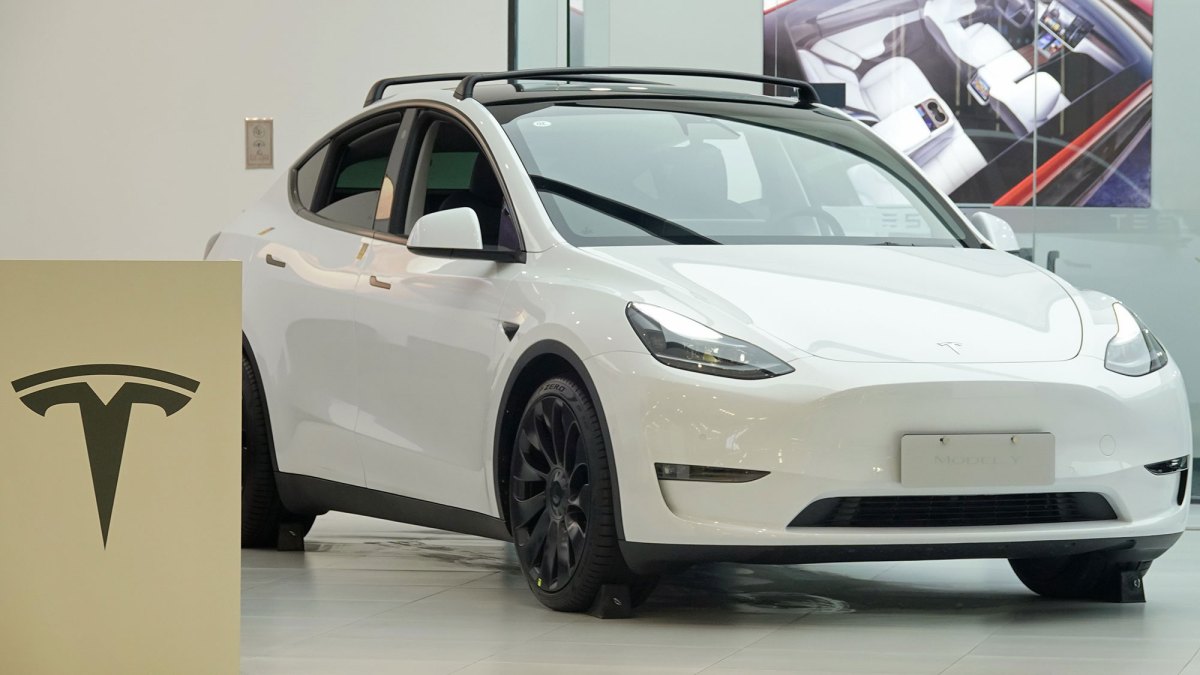
Tesla is recalling nearly 3 million vehicles in China as part of a sweeping national safety initiative aimed at ensuring passengers can escape their vehicles during emergencies. The recall, which includes both imported and Chinese-made Tesla models, is part of a broader push by Chinese regulators to address the safety risks posed by hidden emergency door releases.
According to reports from Reuters, Tesla is just one of 11 different automakers currently issuing recalls in China related to this specific safety concern. The primary objective is to alert vehicle owners to the location and operation of manual door releases, which are often concealed or difficult to find when electronic systems fail during a crash or a fire.
A Sweep Across the Chinese EV Market
The scale of the recall is significant, affecting approximately 2.96 million Tesla vehicles. However, the American electric vehicle giant is not alone in facing these requirements. A total of 11 manufacturers are participating in this safety campaign, including prominent Chinese brands like Xiaomi, Xpeng, and Geely subsidiaries Zeekr and Lynk & Co.
To resolve the issue, nine of the manufacturers, including Tesla, will be required to install physical warning labels on their vehicles. These labels are designed to help occupants quickly identify and operate the emergency door releases. In addition to physical signage, all 11 companies involved in the safety push will deploy software updates to the affected vehicles to enhance occupant safety and communication.
The Hidden Hazard of Electronic Latches
The move toward electronic door latches has been a defining trend in the modern electric vehicle era. Automakers have increasingly moved away from mechanical handles in favor of electronic systems that allow doors to be opened via smartphone apps, NFC cards, or flush buttons. This design choice often results in a sleeker aesthetic and improved aerodynamics.
While these electronic systems provide convenience, they rely on the vehicle's electrical power to function. In the event of a high-impact collision or a vehicle fire, the 12V battery system or the electronic control units can fail. If the primary electronic latch becomes unresponsive, occupants must rely on a manual backup.
The problem, according to safety advocates and regulators, is that these manual backups are frequently tucked away in non-intuitive locations. In some models, the releases are hidden behind interior panels, under floor mats, or inside center consoles. Without clear labeling or intuitive design, a panicked passenger in a smoke-filled cabin may be unable to locate the release in time to escape.
Regulatory Pressure and Policy Changes
The recall follows a rigorous two-year review by Chinese authorities. In February, China announced a significant policy shift that will ban the use of hidden, electronically actuated exterior door handles starting in 2027. This move reflects a growing global concern regarding the balance between high-tech design and basic safety accessibility.
The United States has also begun to scrutinize these designs more closely. Late last year, the National Highway Traffic Safety Administration (NHTSA) opened an investigation into Tesla door-latching systems. This investigation was spurred by reports highlighting the potential danger of occupants being trapped during emergencies.
In response to these concerns, U.S. regulators are considering new rules that could establish stricter safety requirements for electronic door systems. On the legislative front, at least one U.S. lawmaker has proposed a bill that would mandate manual door releases be "intuitive to use and readily accessible for the occupant."
Not Just a Tesla Problem
While Tesla's massive market share makes its recall the most prominent, several other manufacturers have faced similar challenges with emergency access.
Rivian, the California-based EV maker, faced scrutiny from both customers and its own employees regarding the manual door releases in its R1 series vehicles. In the R1T and R1S, passengers were reportedly required to remove a plastic panel and pull a cord to open the doors manually. Following these concerns, Rivian redesigned the mechanism for its newer, more affordable R2 model, placing the release in a more accessible and visible location.
In 2025, Ford also faced issues with its electronic latching systems. The company briefly paused sales of the Mustang Mach-E and issued a recall to update the software to reduce the risk of malfunctions during power losses.
The Future of Vehicle Entry Design
Tesla, which was one of the early pioneers of the flush, electronic door handle, has indicated it is responding to the regulatory and safety feedback. The company says it is currently working on redesigning its door handles for future vehicle iterations to ensure they meet evolving safety expectations.
The current recall in China serves as a major logistical effort to bridge the gap between existing designs and safer standards. By combining software updates with physical labels, regulators hope to reduce the risk of entrapment until the next generation of more intuitive mechanical designs reaches the market.
This development signals a potential end to the era of purely aesthetic, "invisible" door controls. As both China and the U.S. move toward stricter standards, the automotive industry appears to be shifting back toward designs that prioritize mechanical reliability and immediate accessibility over minimalist styling.
What remains to be seen is how these labels and software updates will impact the resale value or owner experience of the millions of cars currently on the road. For now, the focus is squarely on ensuring that a sleek design does not become a life-threatening obstacle in an emergency.
Filed under: TechNews, Tesla, ElectricVehicles, China, Safety, Automotive, Software